
The McLaren Elva exists because restraint was never the point. Conceived as part of McLaren’s Ultimate Series, the Elva strips the modern supercar back to its most elemental form. No roof. No windshield. No apology. It is the company’s first road-legal sports car offered without either, and one of the most uncompromising machines McLaren has ever released.
Inspired by McLaren’s open-cockpit sports racers of the 1960s, the Elva was designed to deliver a driving experience defined by exposure and immediacy. To make that possible on the road, McLaren developed its Active Air Management System, a solution that channels airflow over the cockpit to create a virtual windshield. The result preserves the sensation of speed while maintaining a surprising degree of comfort at pace, without diluting the car’s intent.


At its foundation is a carbon fiber monocoque, the structural backbone that allows the Elva to achieve its defining statistic: weight. With a dry weight starting at 2,531 pounds, it is the lightest McLaren road car ever produced. Every decision follows that priority, from the extensive use of exposed carbon fiber to the absence of conventional bodywork elements that most manufacturers would consider mandatory.
Power comes from a twin-turbocharged 4.0-liter V8 producing 804 horsepower. Acceleration is immediate and violent, with 0–62 mph arriving in under three seconds and 124 mph in just 6.7 seconds. An aero package with a deployable rear wing manages stability at speed, while carbon ceramic brakes shared with the Senna provide stopping power. Measuring over 390 mm, the rotors save roughly one kilogram compared to the Senna through the use of titanium brake calipers.
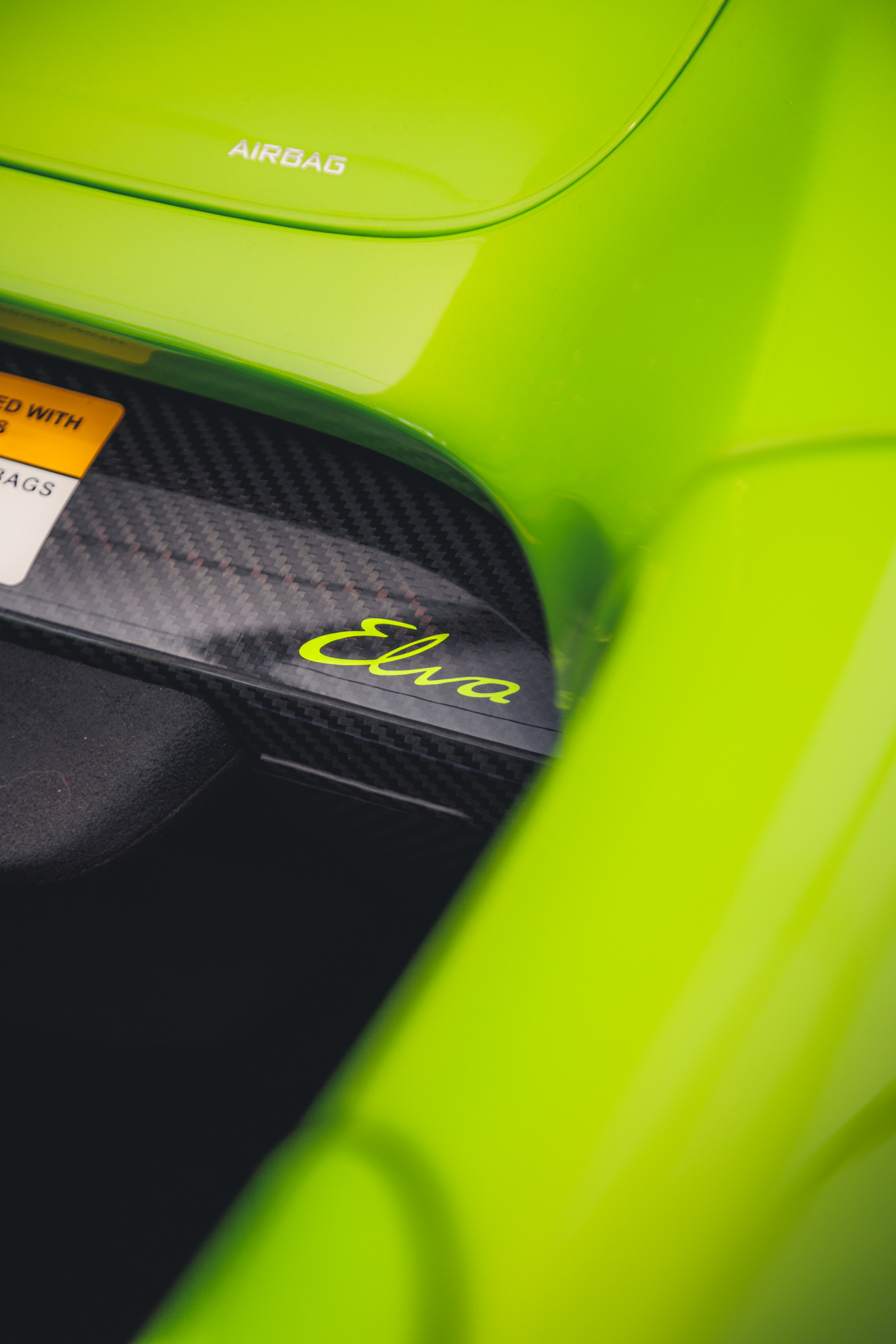
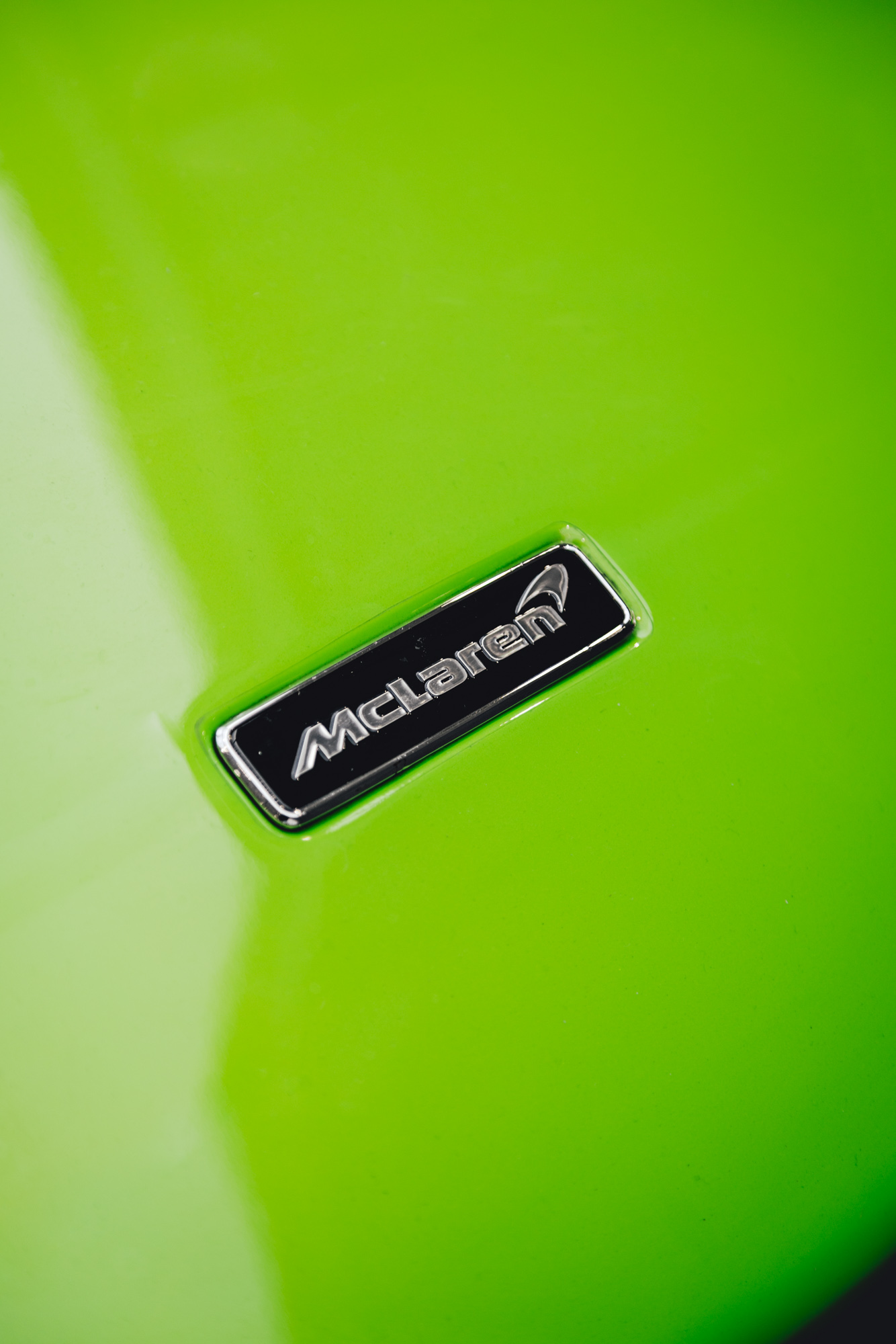
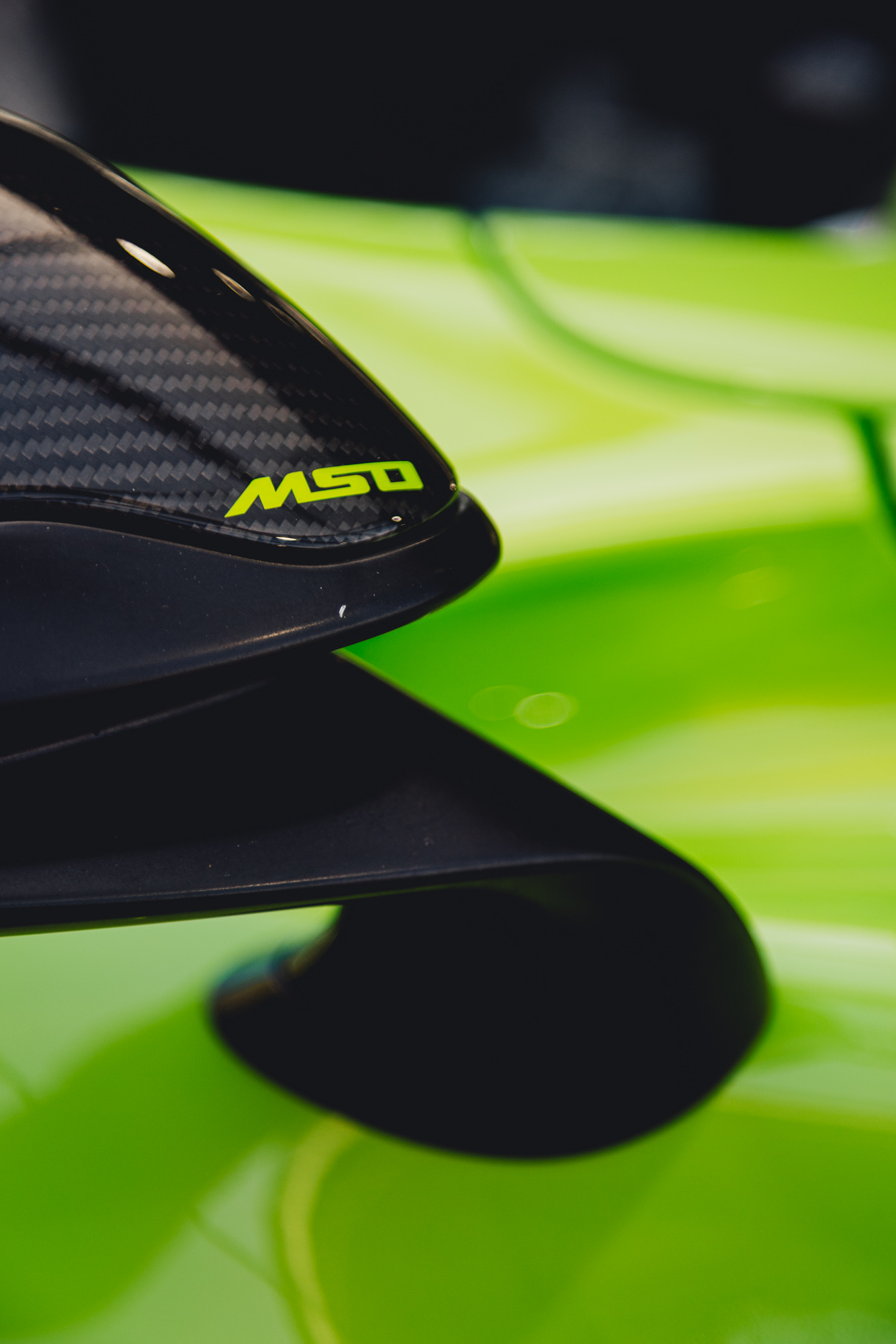
Production was limited to just 149 examples worldwide, and among them, this Elva stands alone. Finished in Napier Green Pearl through McLaren Special Operations, it is a one-off MSO build. The exterior is accented by MSO-exclusive exposed carbon trim, with exposed carbon front and rear diffusers underscoring the car’s functional design language.
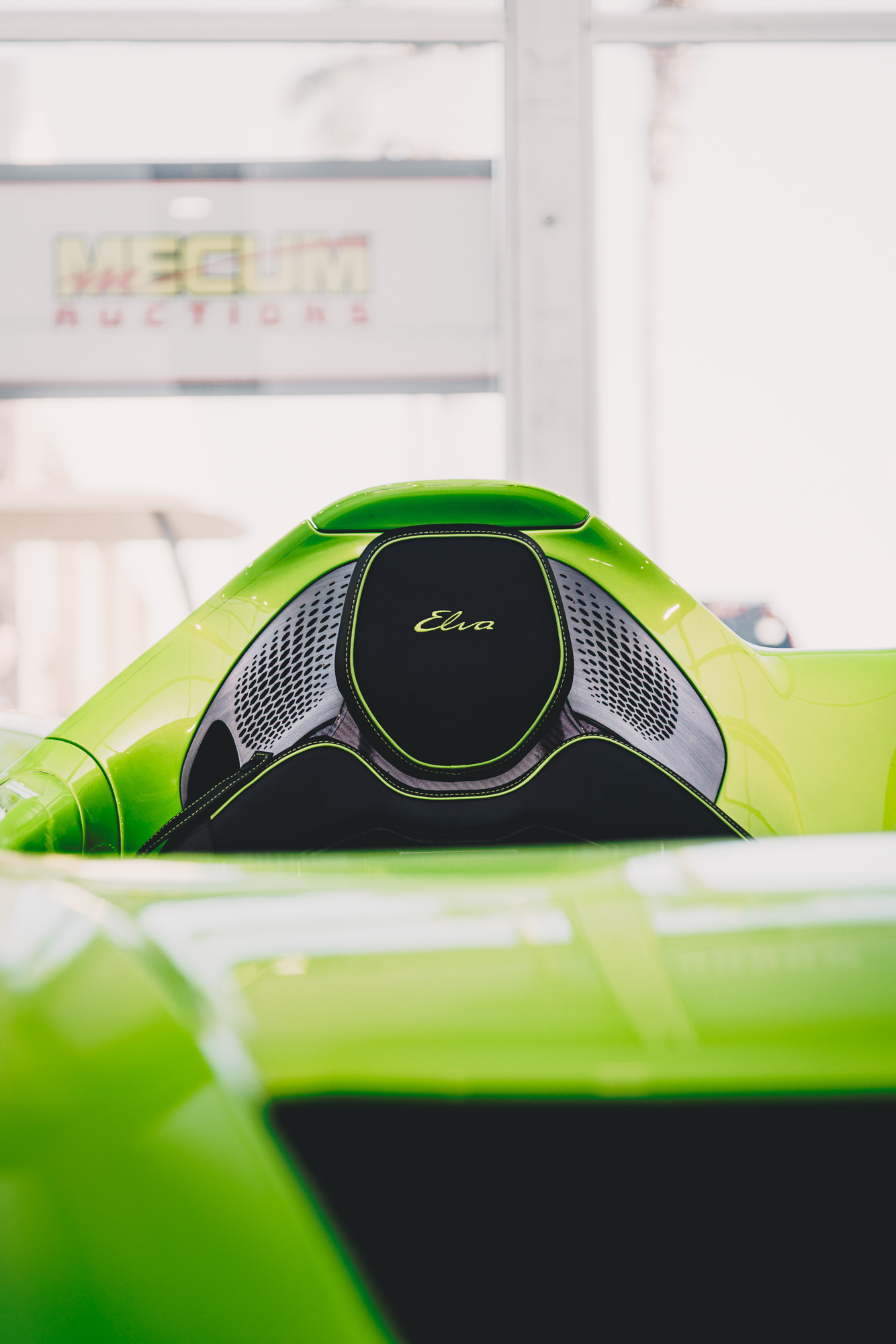
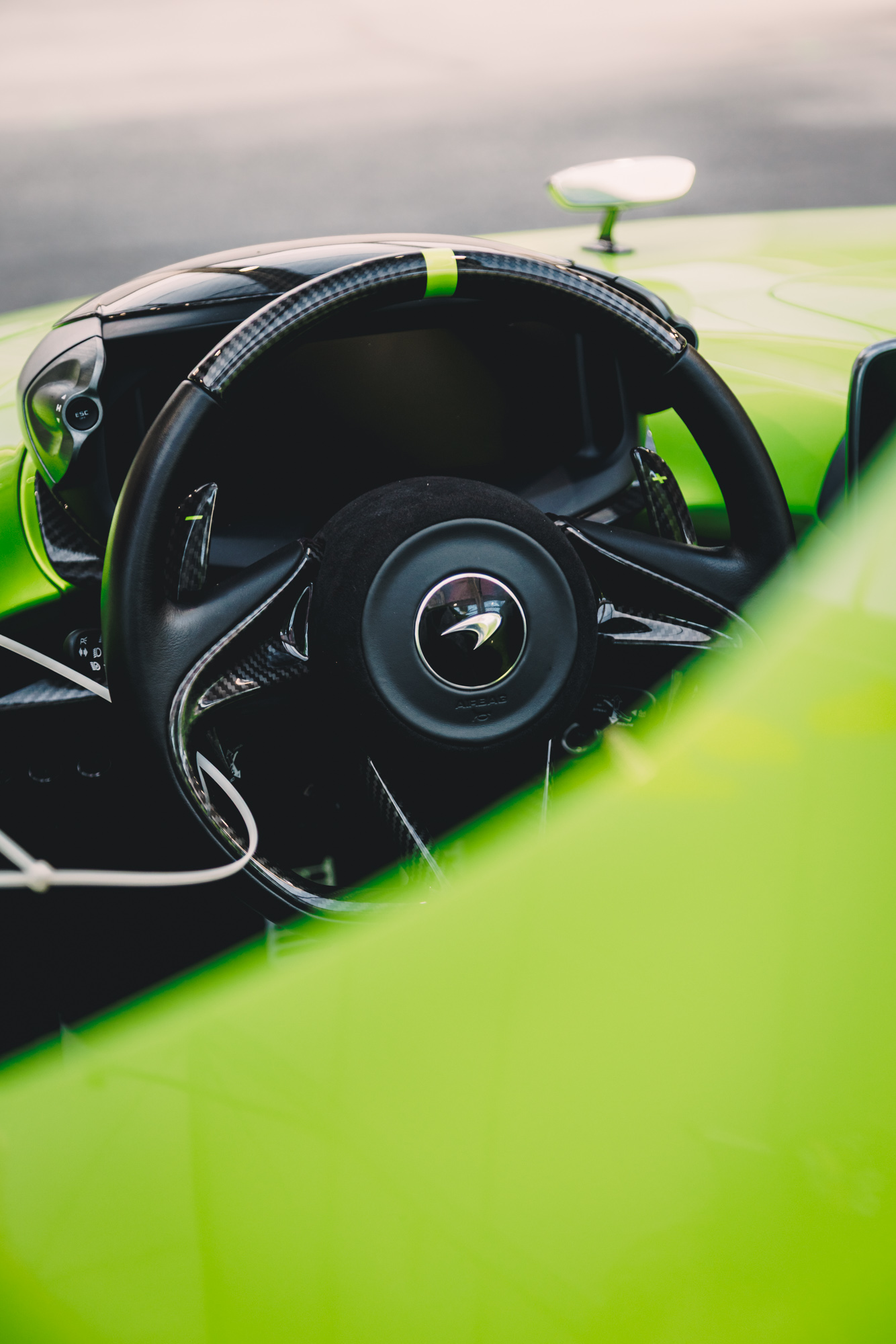
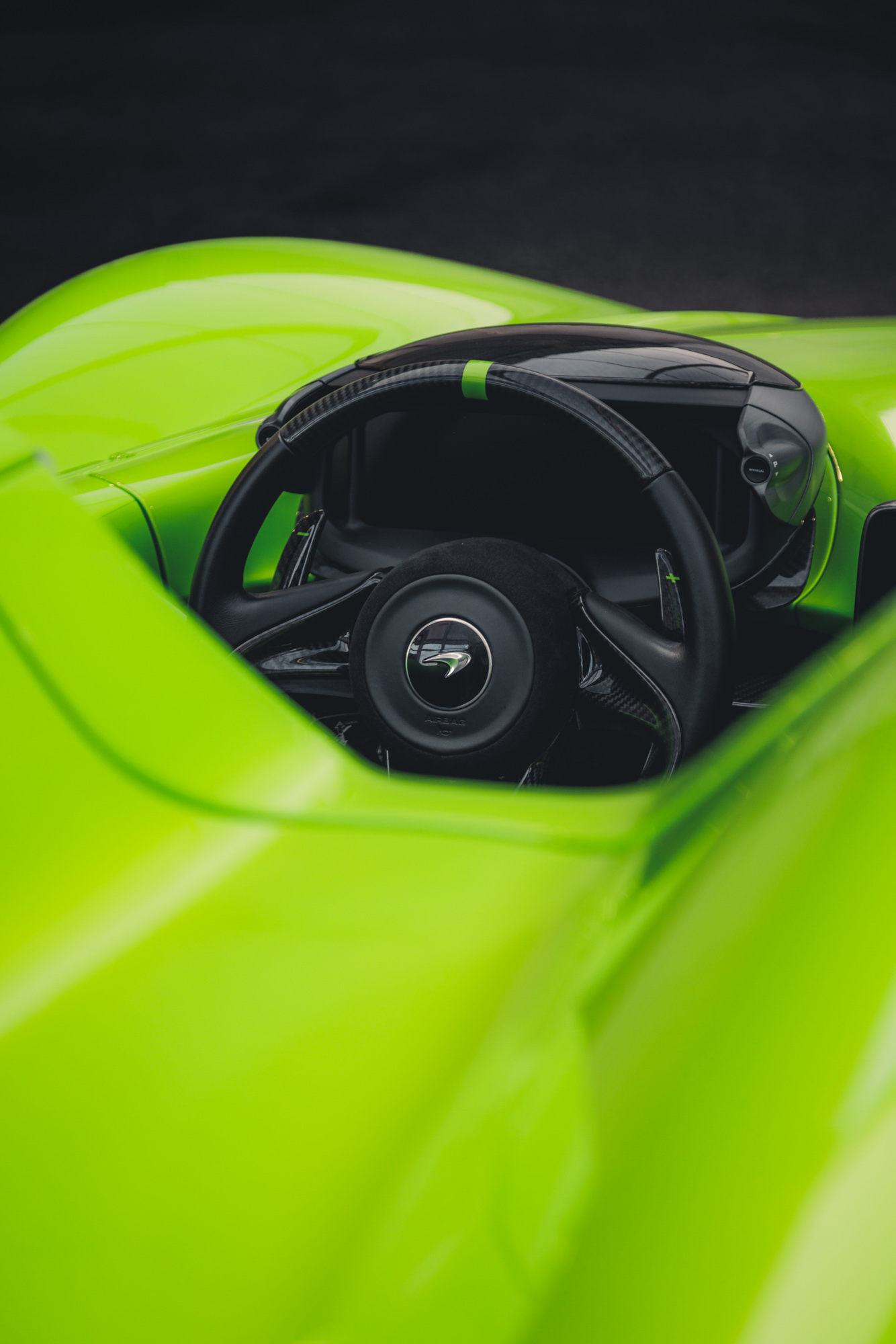
Inside, the cabin reflects the same balance of minimalism and craftsmanship. Carbon fiber racing seats are upholstered in black leather with green trim and embroidered logos. The exposed carbon steering wheel features a Napier Green center stripe, reinforcing the bespoke nature of the build. Every surface serves a purpose, and nothing is ornamental without intent.
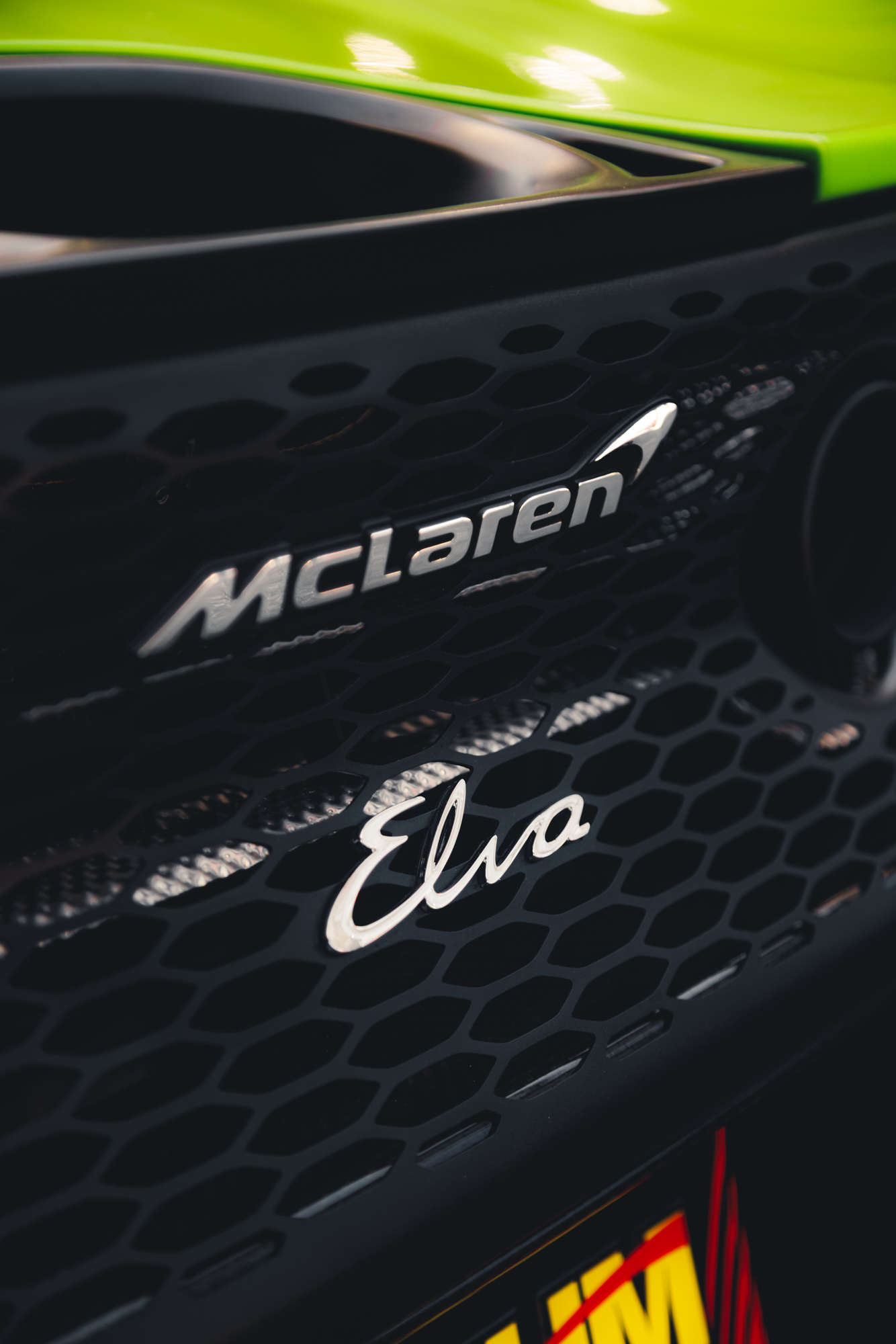
With just 645 miles recorded, this Elva remains effectively new, preserved in a state that reflects its original vision. It is not a reinterpretation or a tribute, but a modern statement of what happens when engineering, performance, and heritage align without compromise.
The McLaren Elva does not attempt to broaden its appeal. It narrows it, deliberately, to those who understand that the purest driving experiences are often the least filtered.