
Few aircraft carry the same immediate visual identity as the Curtiss P-40 Warhawk. Defined by its shark-mouth nose art and hardened wartime silhouette, it became one of the most recognizable fighters of World War II. For many, it remains inseparable from the image of the “Flying Tigers,” the volunteer American pilots who fought in the skies over China and Southeast Asia, turning the aircraft into a symbol of defiance and determination.
Debuting in 1939, the P-40 served Allied forces under multiple designations, including “Tomahawk” and “Kittyhawk.” It was powered by the Allison V-1710 inline engine, producing a top speed of roughly 360 mph. While it was not designed to dominate at high altitude, the Warhawk earned its reputation where it mattered most, low and medium-altitude combat.
It was rugged, predictable, and durable. Pilots valued its forgiving handling and its ability to absorb damage and keep flying, making it one of the most dependable frontline fighters of its time.
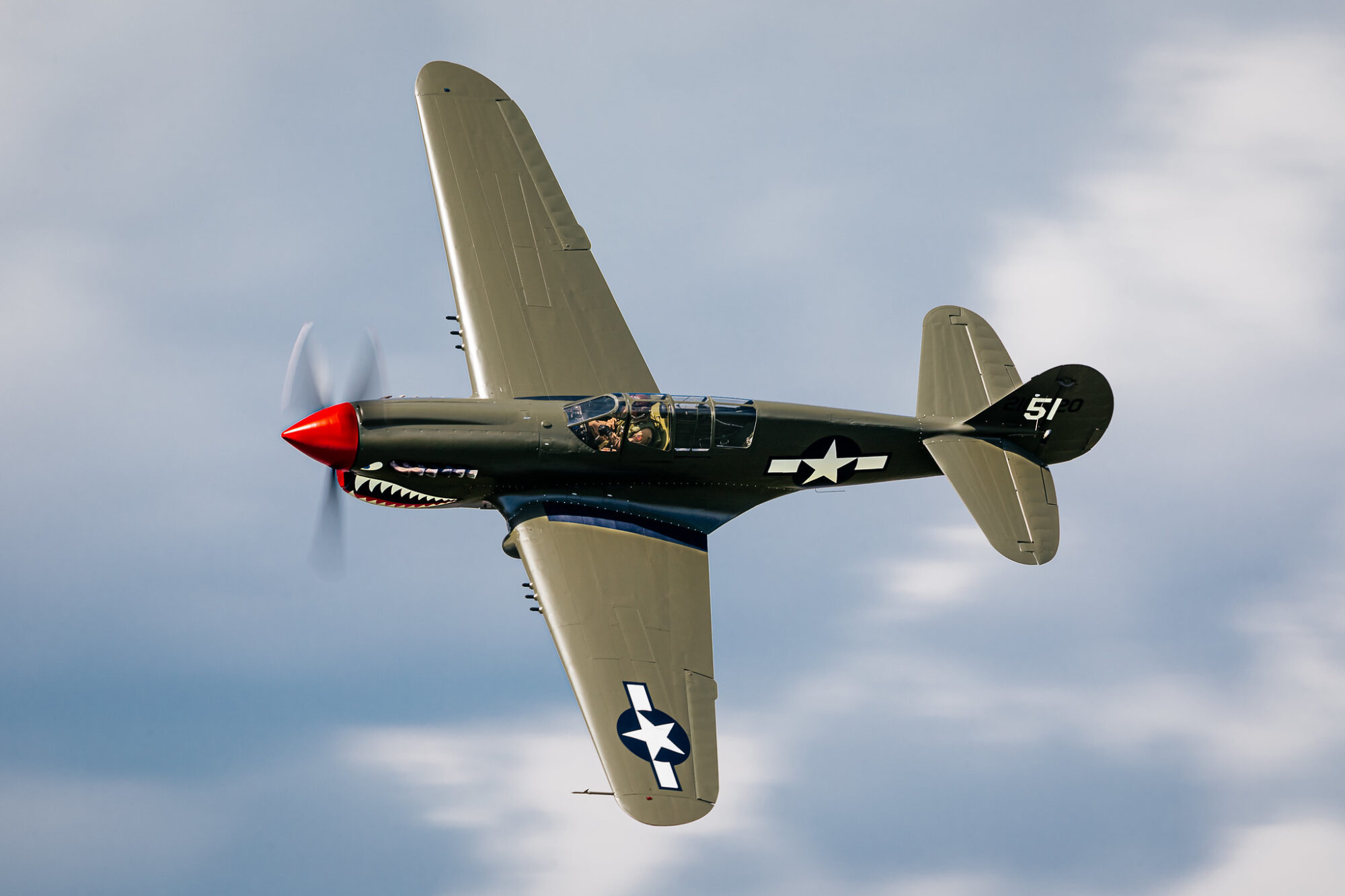
Among the many P-40s that served, one aircraft “American Dream,” serial number 42-104977 would go on to build a story far beyond its combat record.
American Dream achieved two confirmed aerial victories and a possible third before its wartime chapter came to a violent end on September 13, 1943. Over New Guinea, it was engaged by a Japanese A6M Zero and shot down during a dogfight. Despite the aircraft catching fire mid-air, pilot Thor Valdson managed a miraculous belly landing in a grassy field and survived without injury.
What remained of the aircraft was left behind for decades, slowly fading into history.
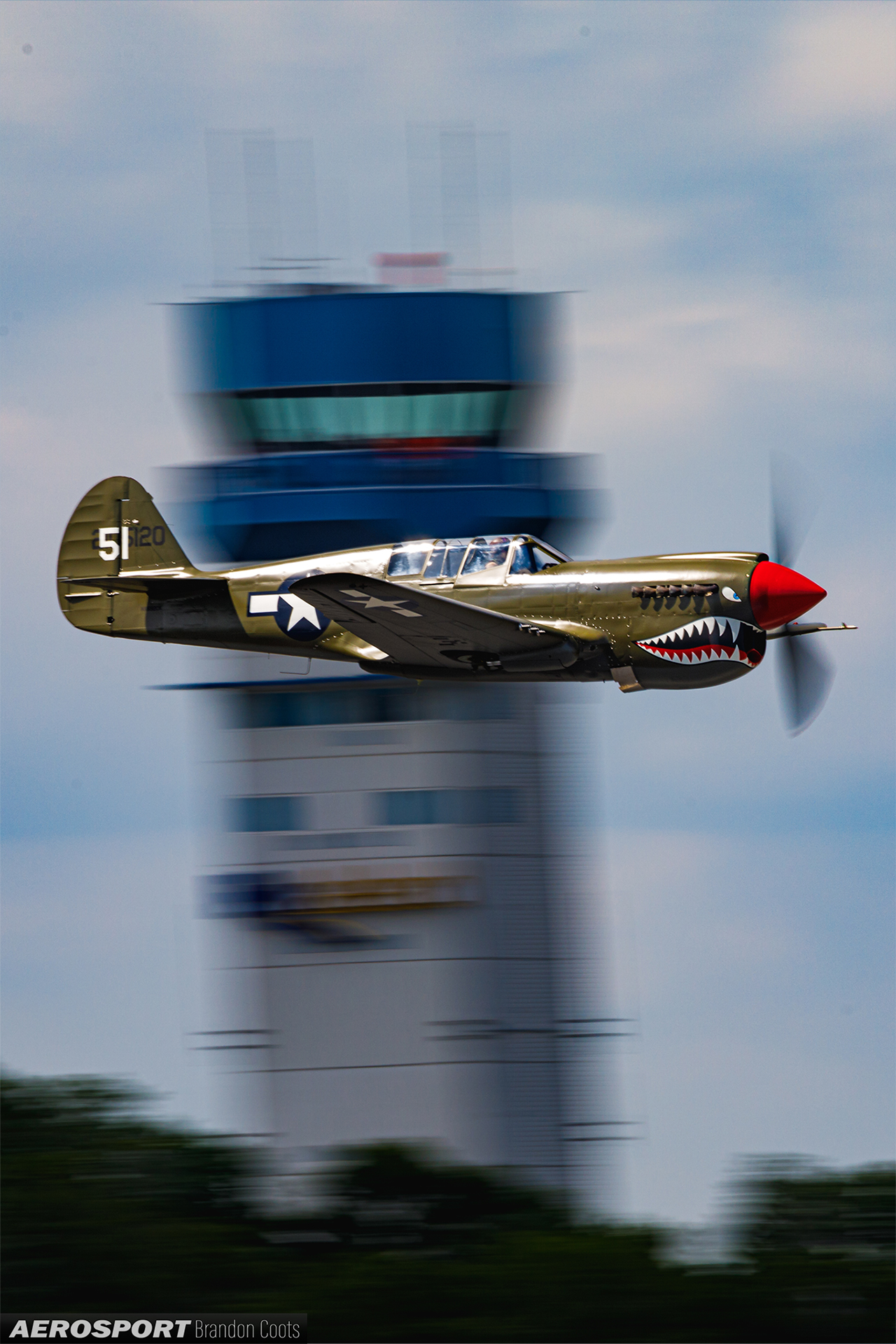
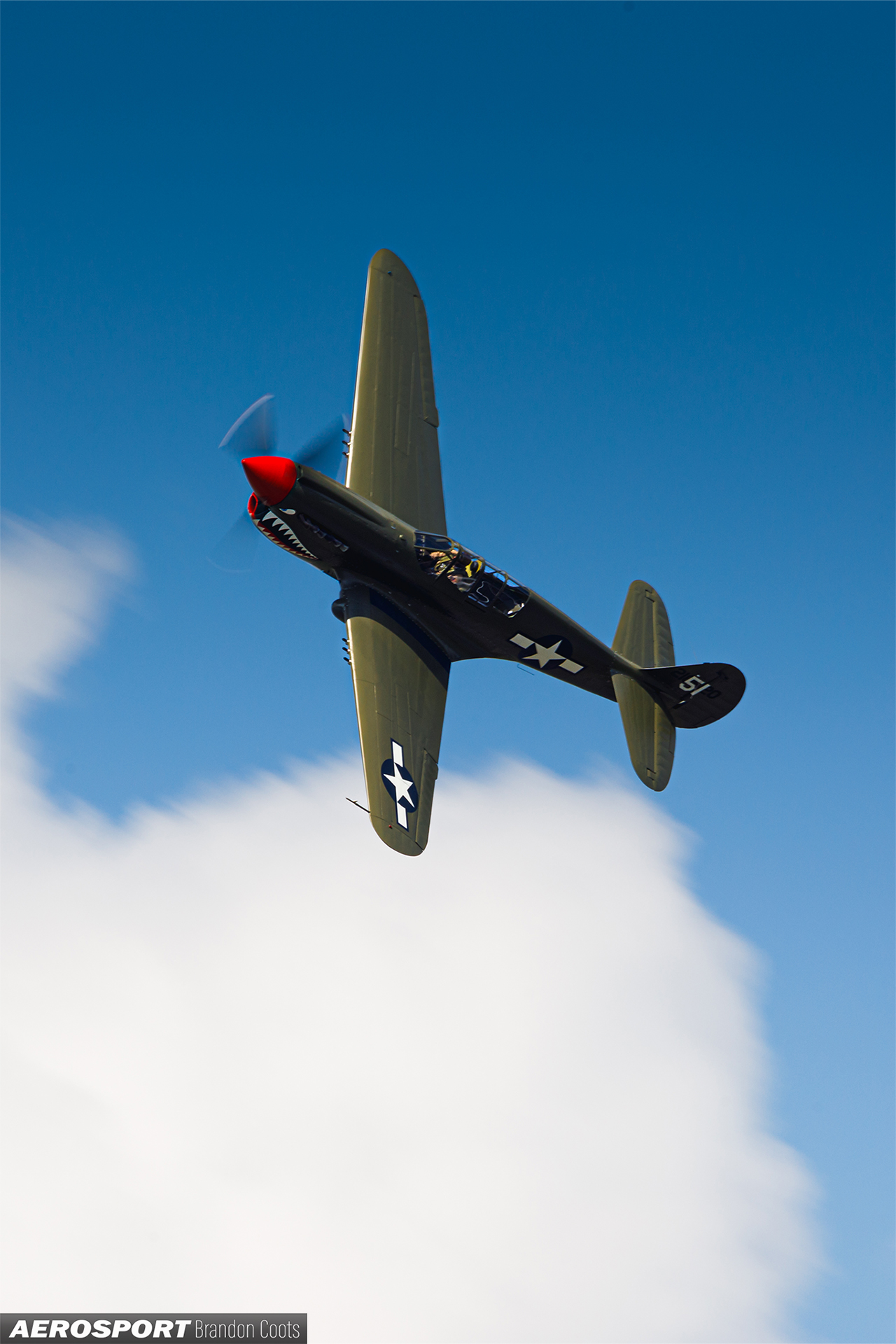
In 2005, the story shifted again when an Australian warbird recovery specialist salvaged the remains. The wreckage marked the beginning of an extensive restoration effort that would span years and multiple custodians.
The aircraft eventually passed to Mike Spaulding, who committed to a meticulous rebuild. By 2008, Precision Aerospace in Wangaratta returned the P-40 to flying condition. Its return to the air was short-lived at first, ending in a landing gear collapse, but the aircraft’s story once again refused to stop there.
In 2014, aviation enthusiast John Davis acquired American Dream and reimagined its future. The aircraft was modified with dual controls, balancing historical authenticity with practical usability. On May 10, 2016, the Warhawk flew again over Colorado, returning to the sky after more than seven decades.
It was not just a restoration; it was a resurrection.
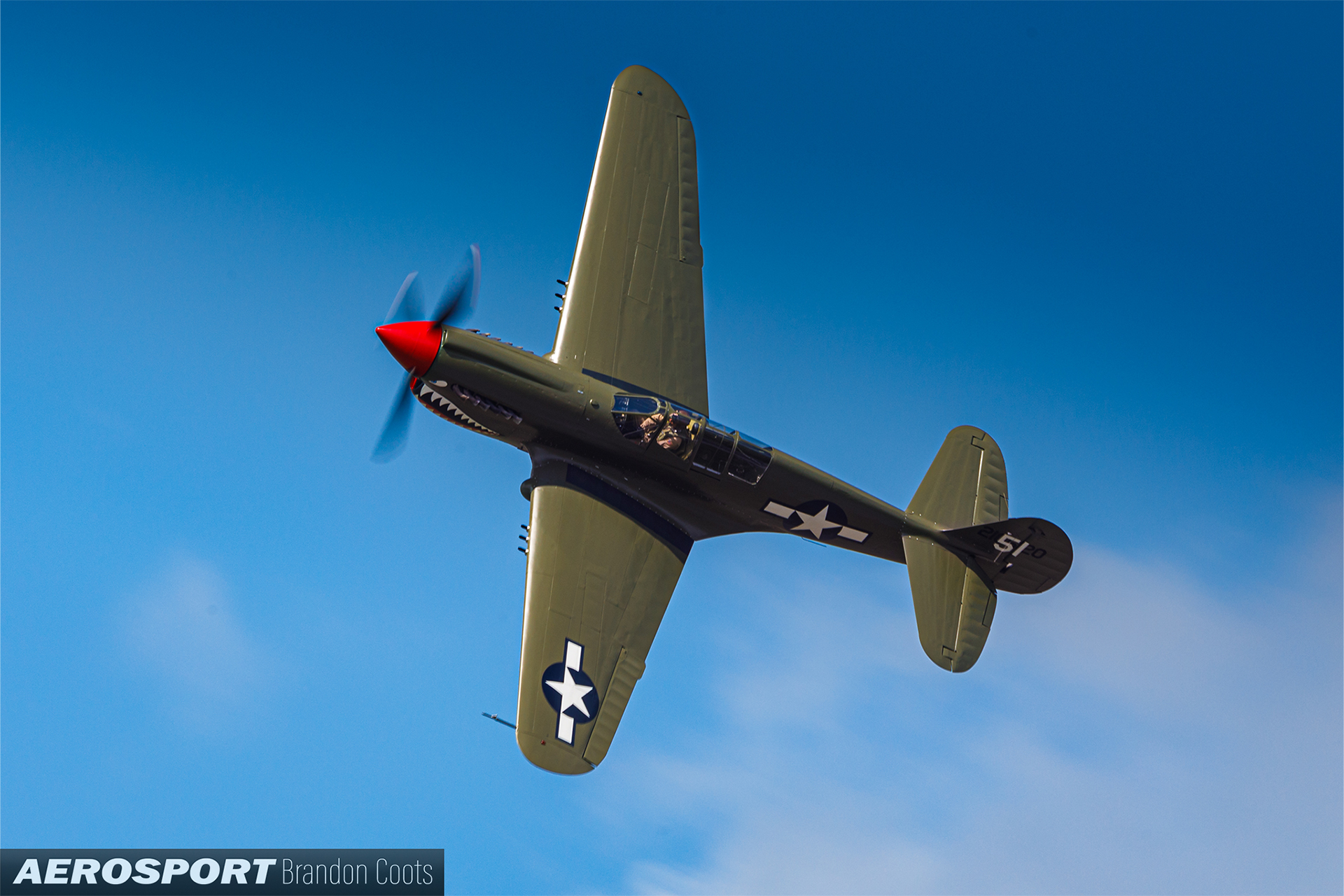
Today, the Curtiss P-40 Warhawk stands as more than a wartime fighter. It represents survival through conflict, abandonment, recovery, and rebirth. American Dream embodies that journey that fought, fell, and ultimately returned to flight through the determination of those who refused to let its story end on the ground.
A machine built for war, preserved through persistence, and reborn as a living piece of history.