
The early 2000s marked the closing chapter of customer-built prototypes competing at the very front of international endurance racing. As factory budgets ballooned and manufacturer programs tightened their grip on the podium, cars like the Riley & Scott Mk IIIC stood as the last great expression of a different philosophy—one where intelligent design, private backing, and execution could still challenge the world’s biggest teams. Chassis Mk IIIC-004 sits firmly within that moment.
Designed around a straightforward but highly effective concept, the Mk III featured a carbon-fiber and steel monocoque paired with double wishbone suspension and push-rod actuated dampers at all four corners. It was deliberately conventional, prioritizing balance, serviceability, and adaptability. That approach made the Mk III an ideal customer chassis, capable of accepting a variety of powerplants over its career, including the quad-cam Oldsmobile Aurora V8 and pushrod Ford V8 configurations.
By the late 1990s, Riley & Scott’s factory focus had shifted toward Cadillac’s prototype program, leaving Mk III development largely frozen. Yet while factory attention moved elsewhere, customer teams continued to extract results on both sides of the Atlantic. For 2001, Riley & Scott returned to the platform, introducing the revised Mk IIIC specification.
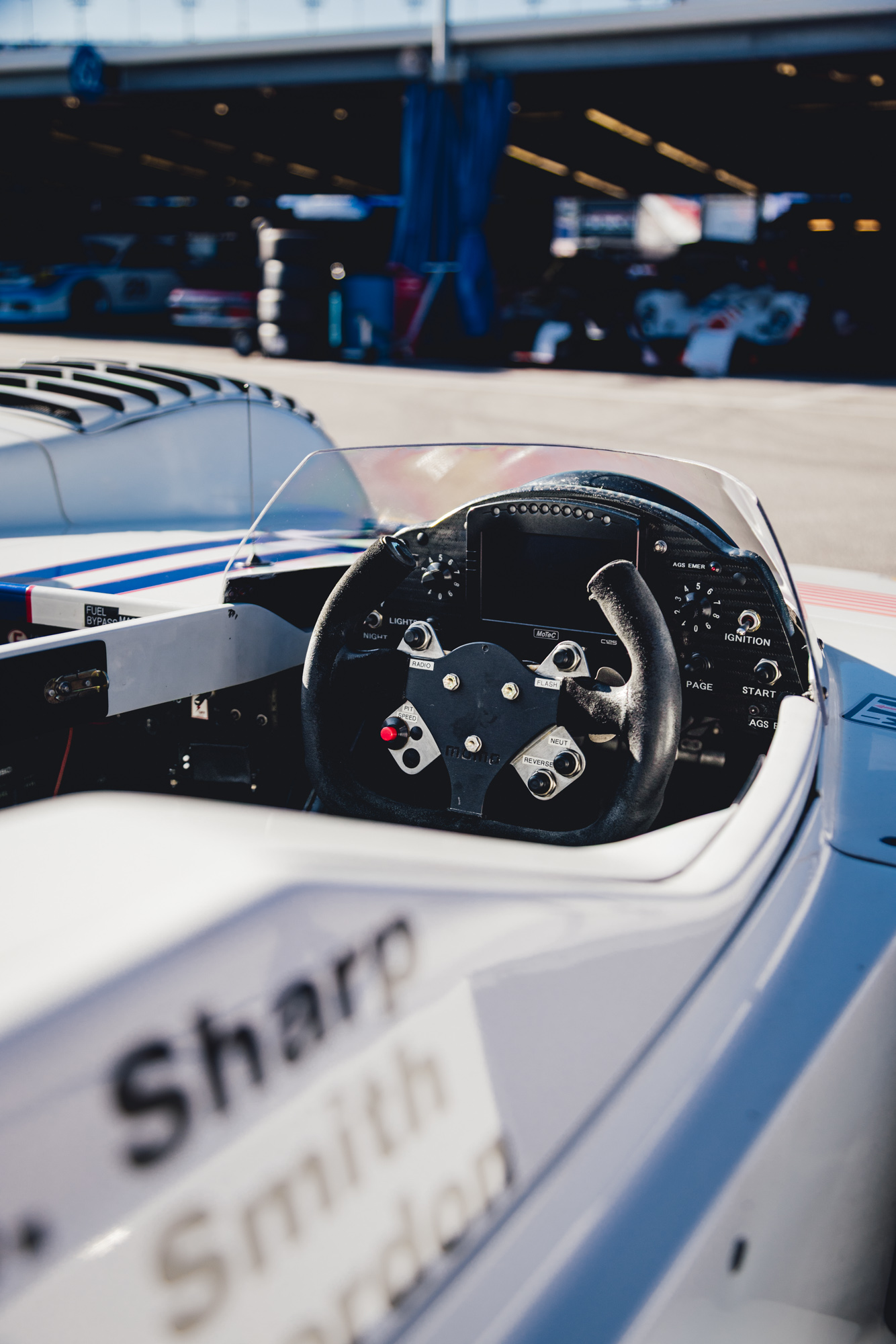
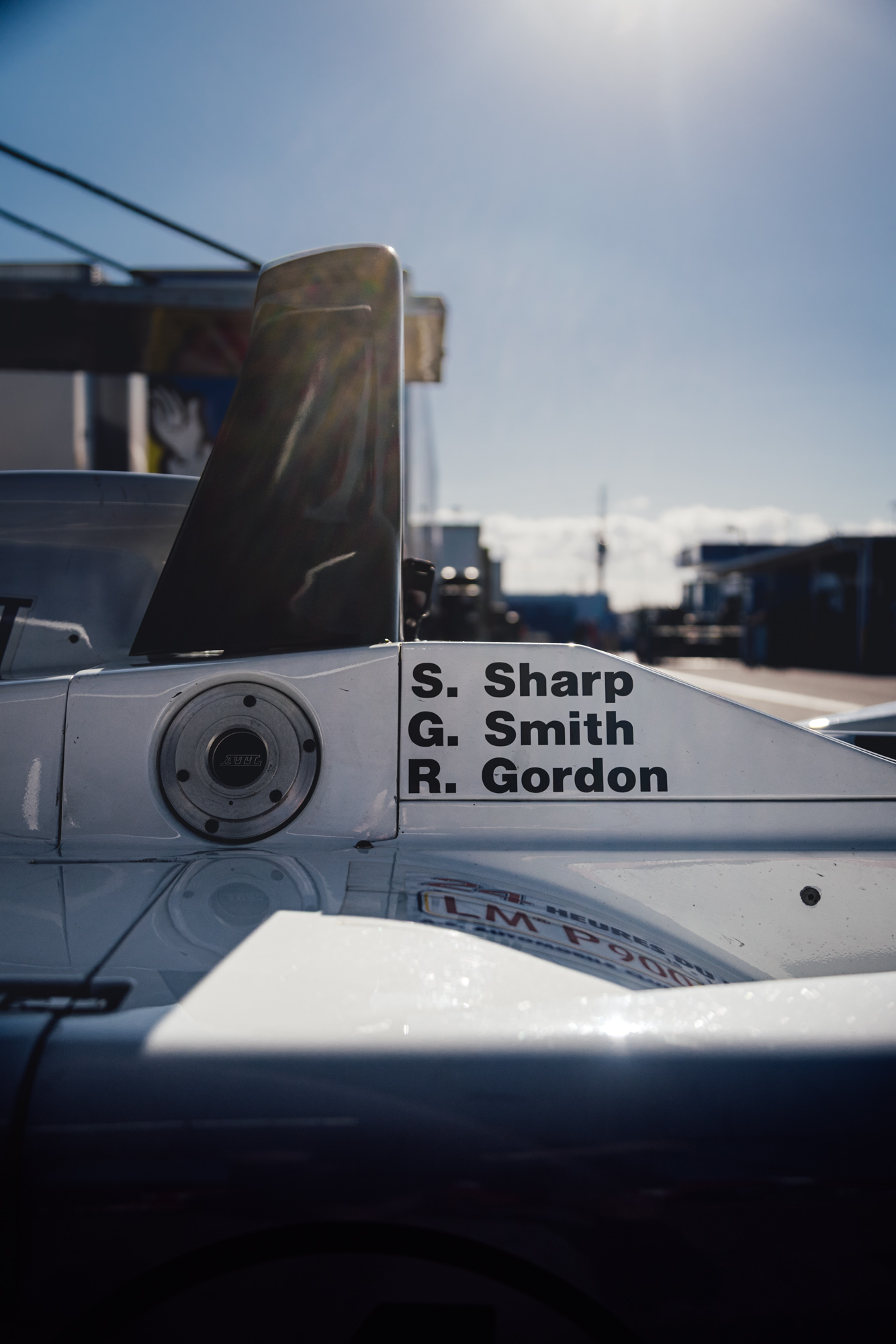
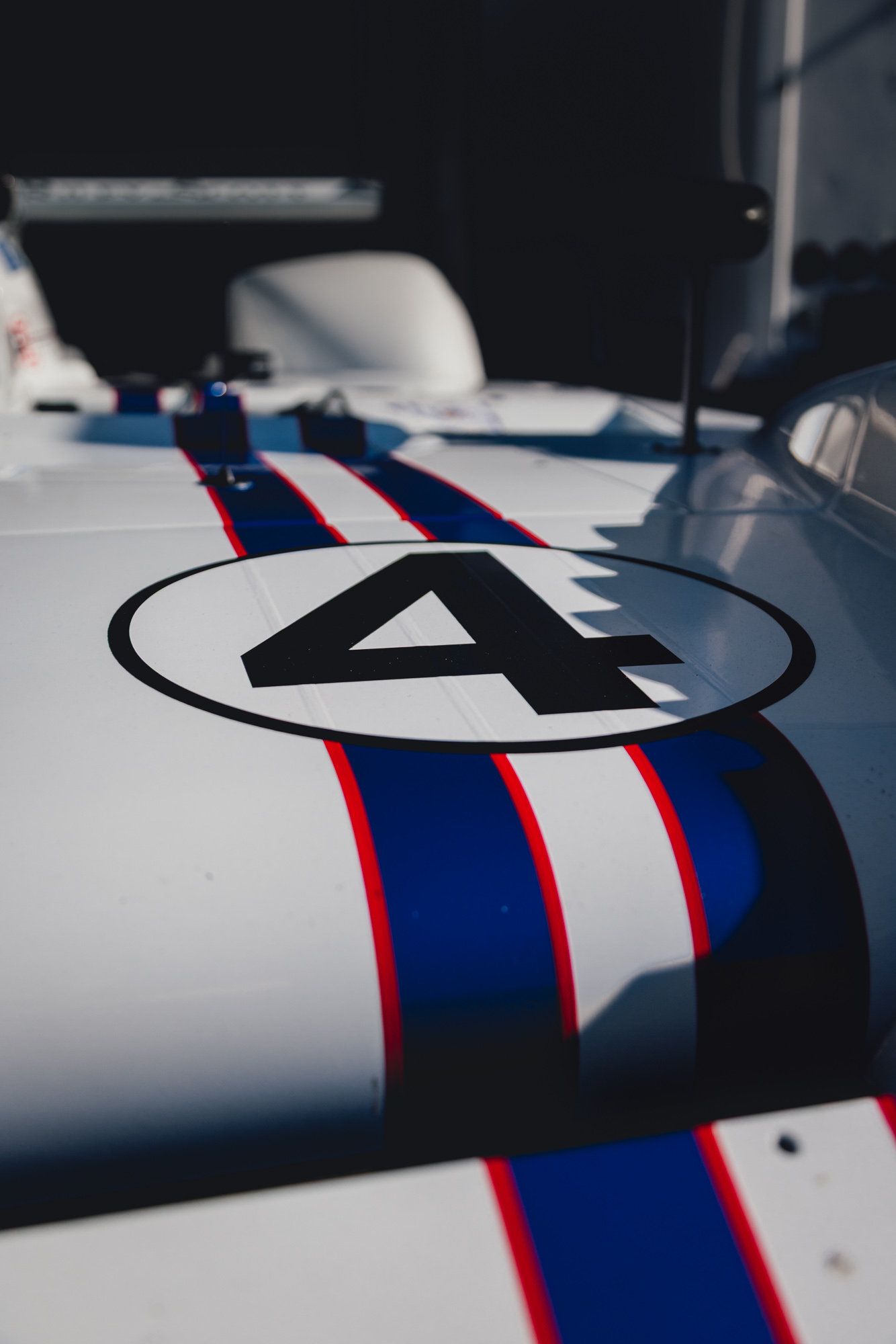
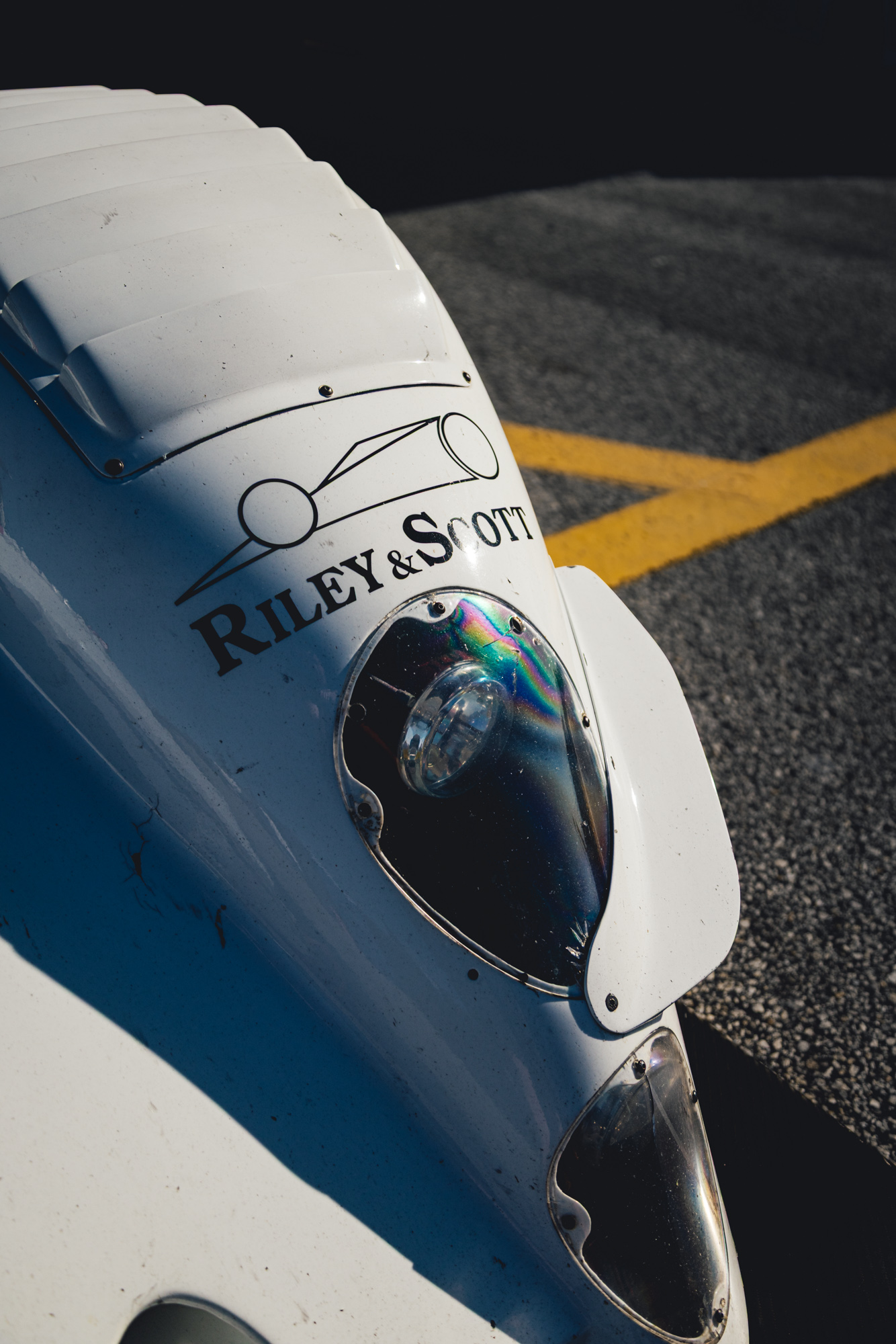
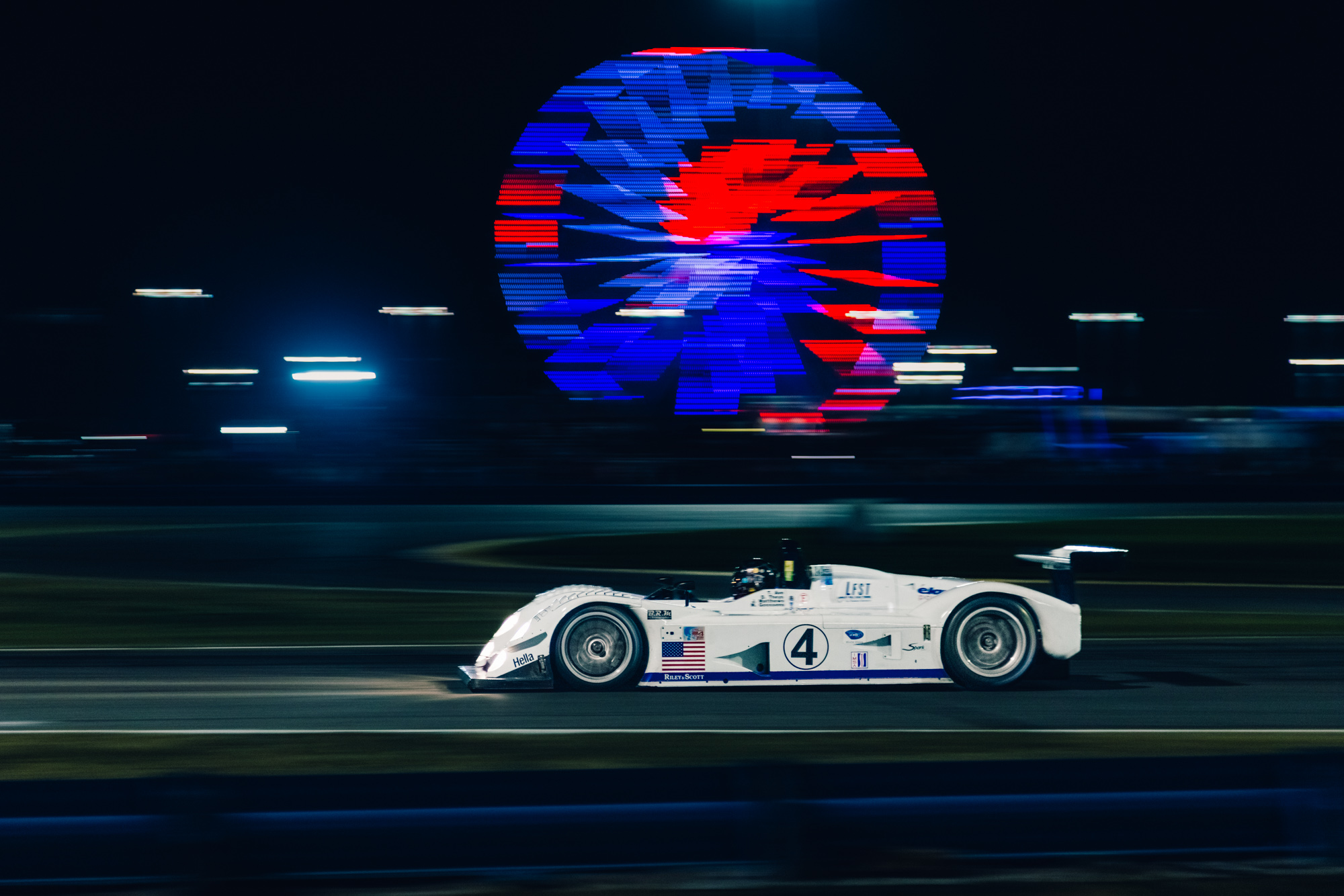
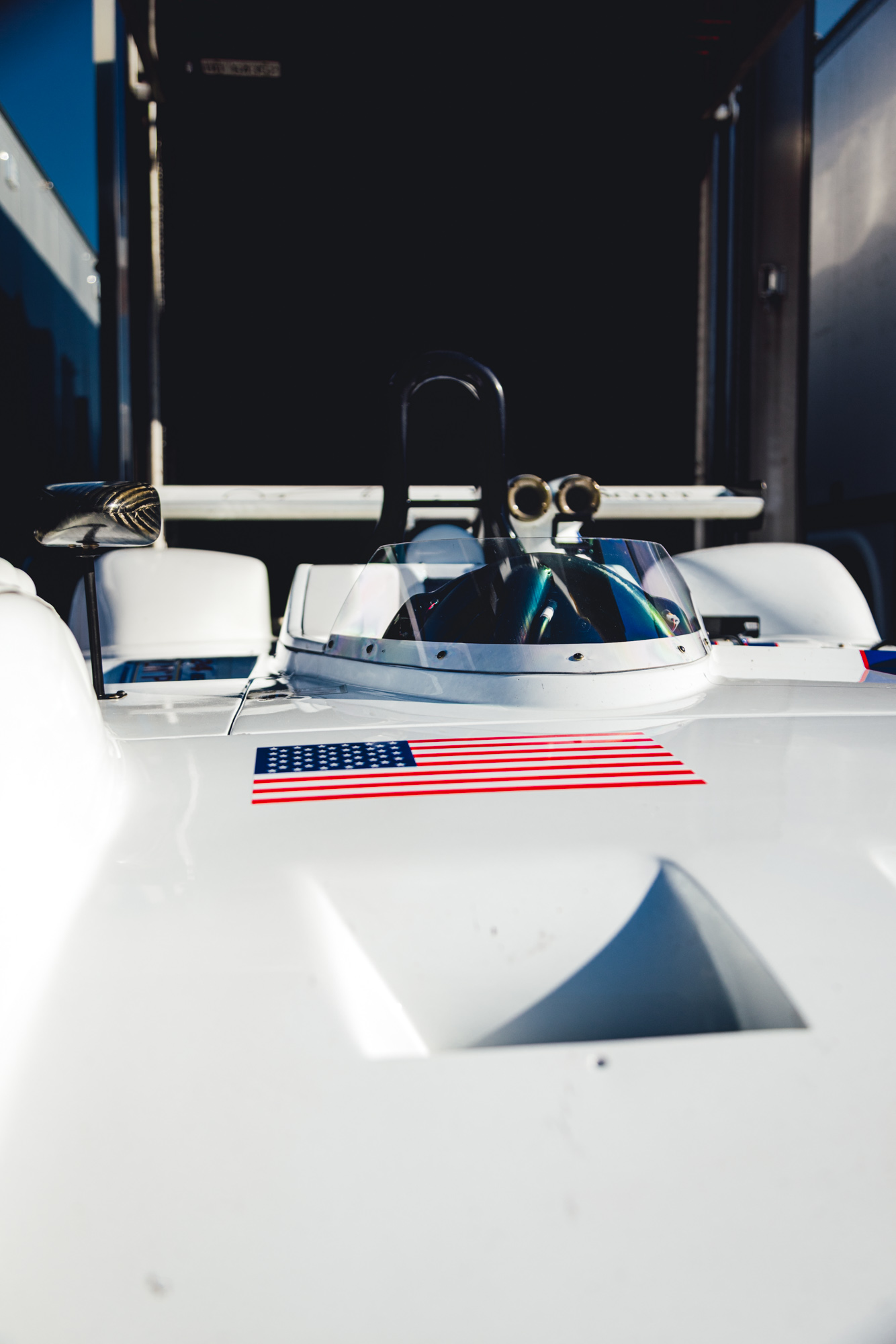
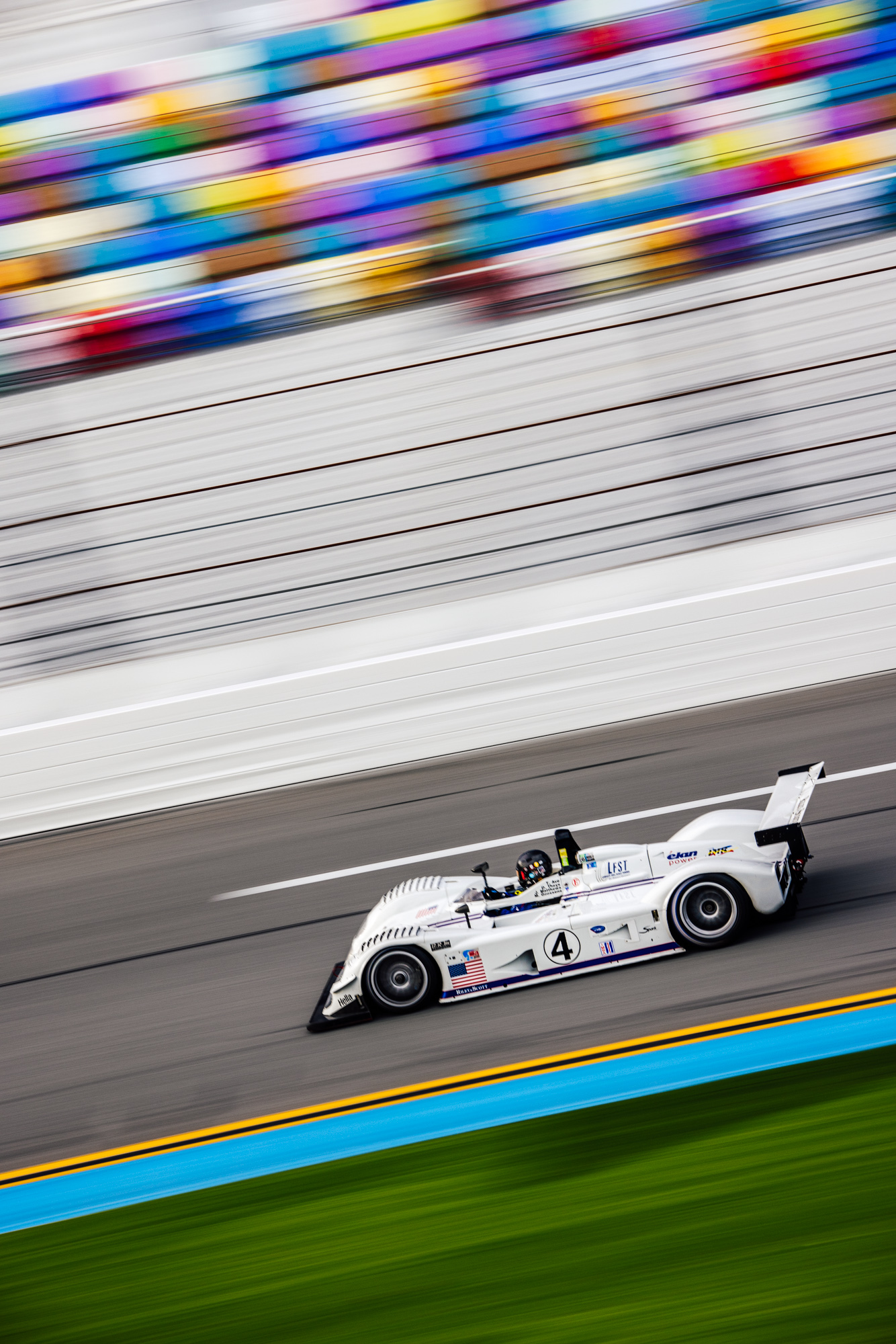
Most of the updates lived beneath the bodywork. The engine could now be mounted slightly lower in the chassis, improving the center of gravity. A revised roll-hoop configuration allowed compliance across multiple series. Visually, the changes were subtle but purposeful: square headlights gave way to more aerodynamic round units, and a new front splitter sharpened airflow and front-end stability.
The revisions were meaningful, but the competitive landscape had shifted. Audi’s factory-backed program had established a financial and technical stronghold that no customer effort could realistically match. The era of privateer prototypes fighting for overall wins was drawing to a close.
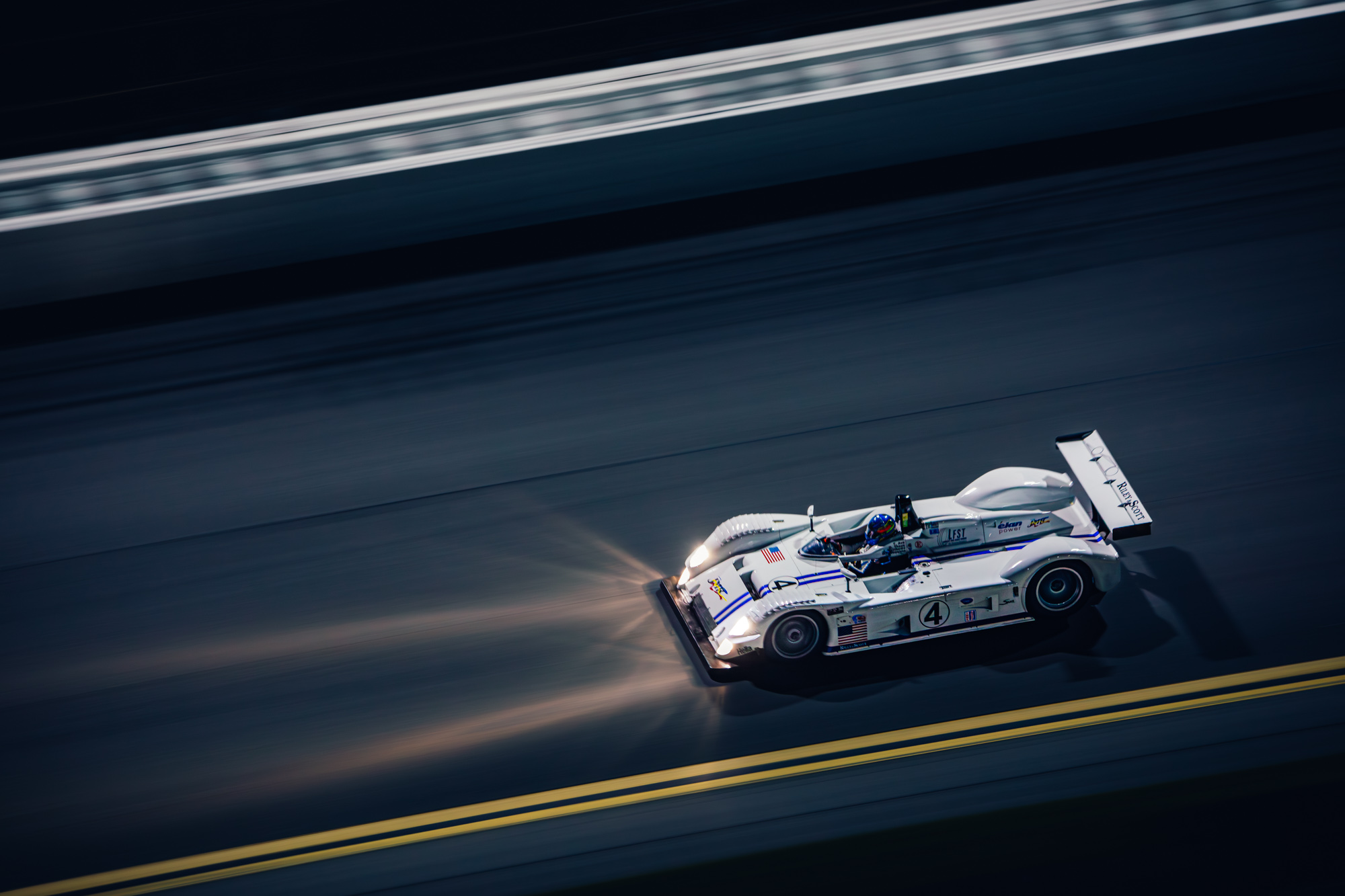
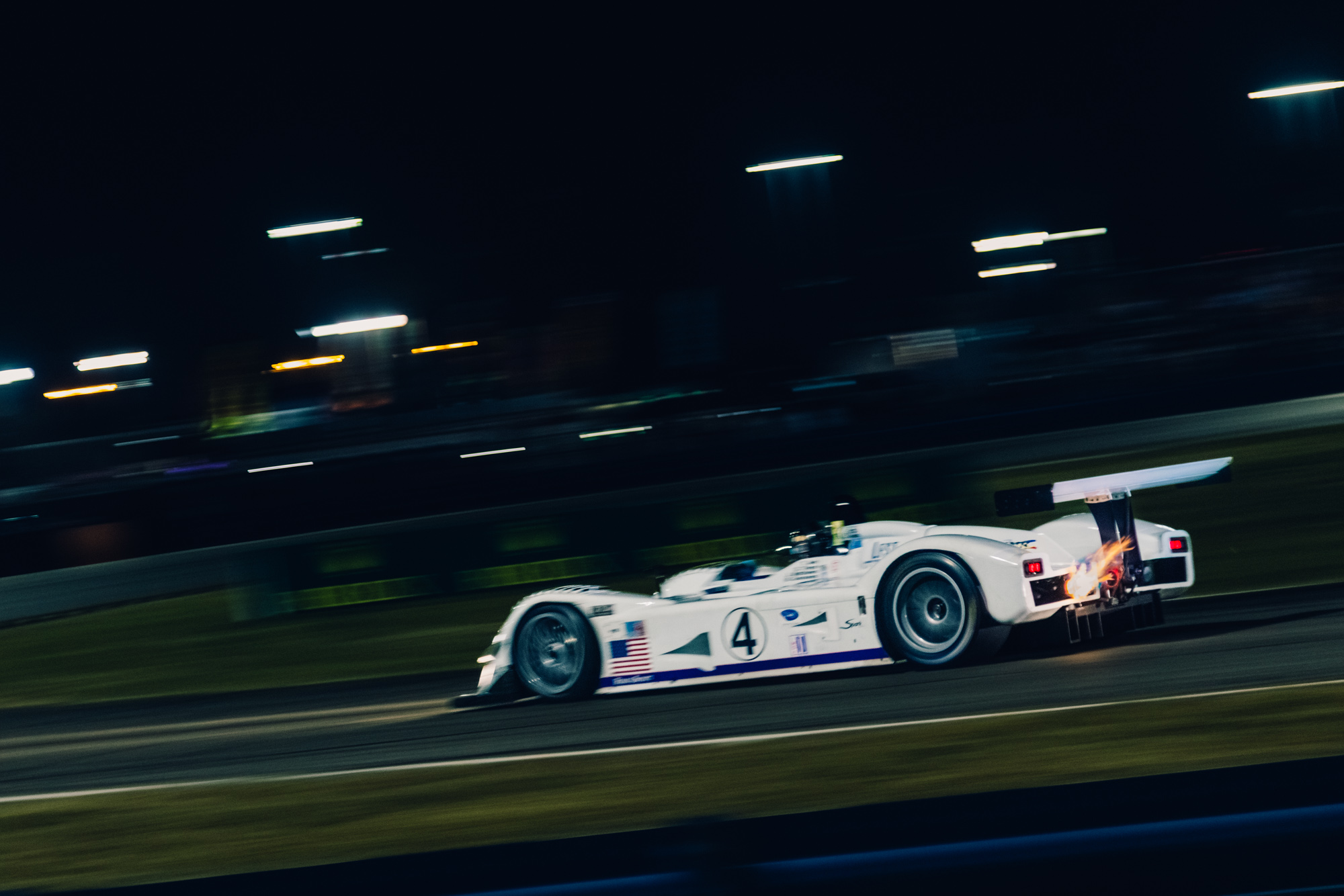
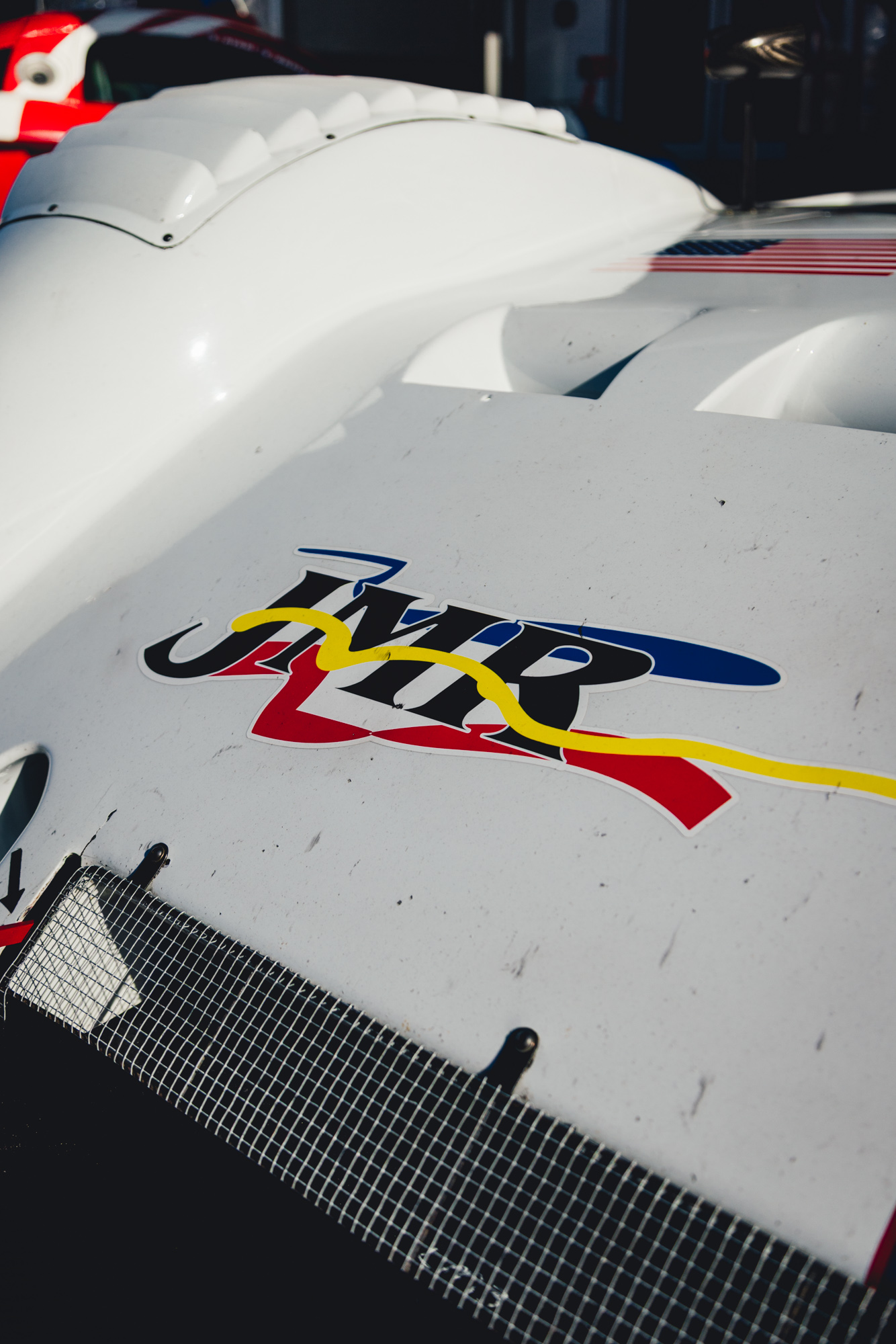
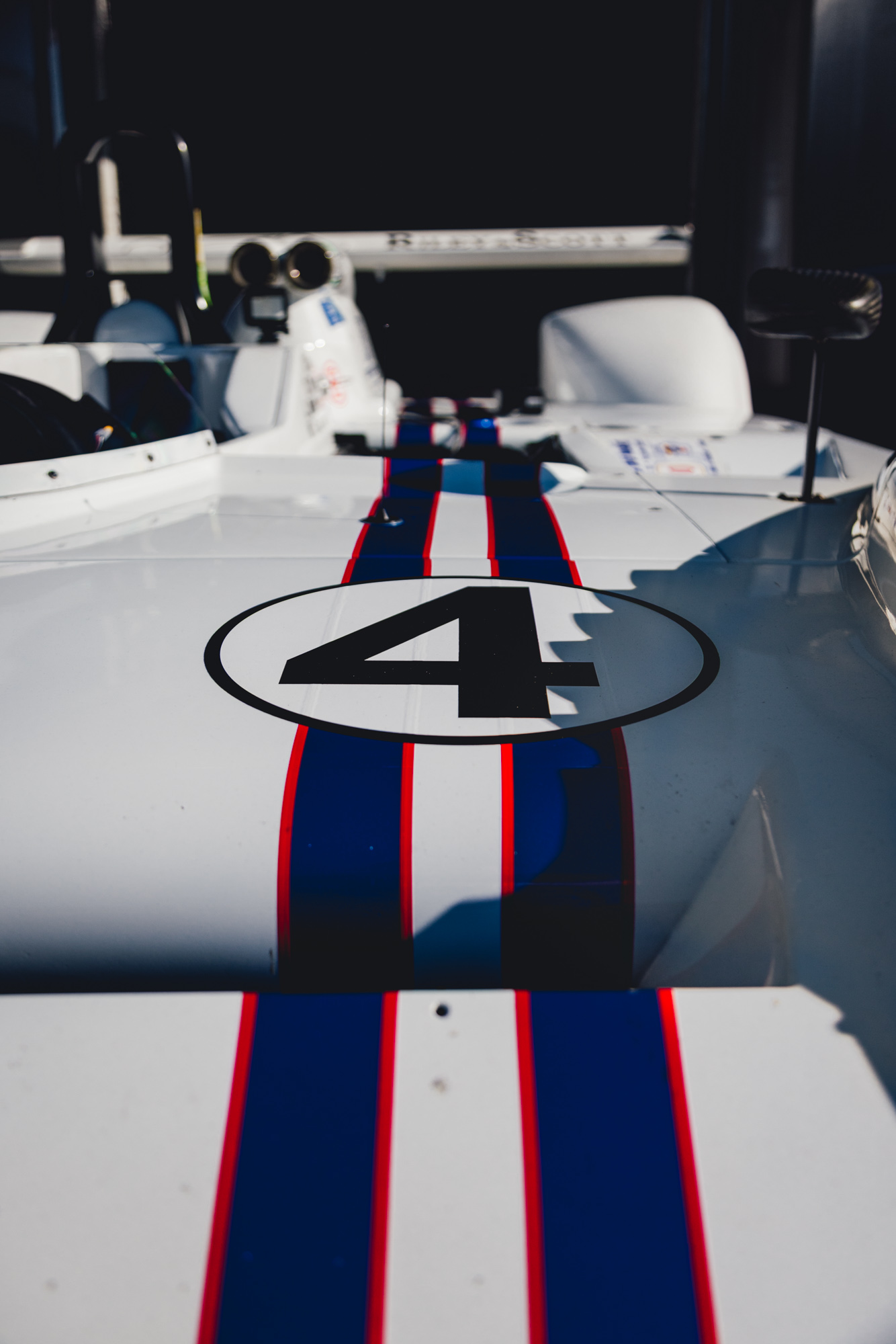
Mk IIIC-004 was the fourth example built and was sold new to Jim Matthews, who commissioned Riley & Scott to run the car in one of the most ambitious privateer programs of the time. The plan targeted endurance racing’s three pillars in a single season: Daytona, Sebring, and Le Mans.
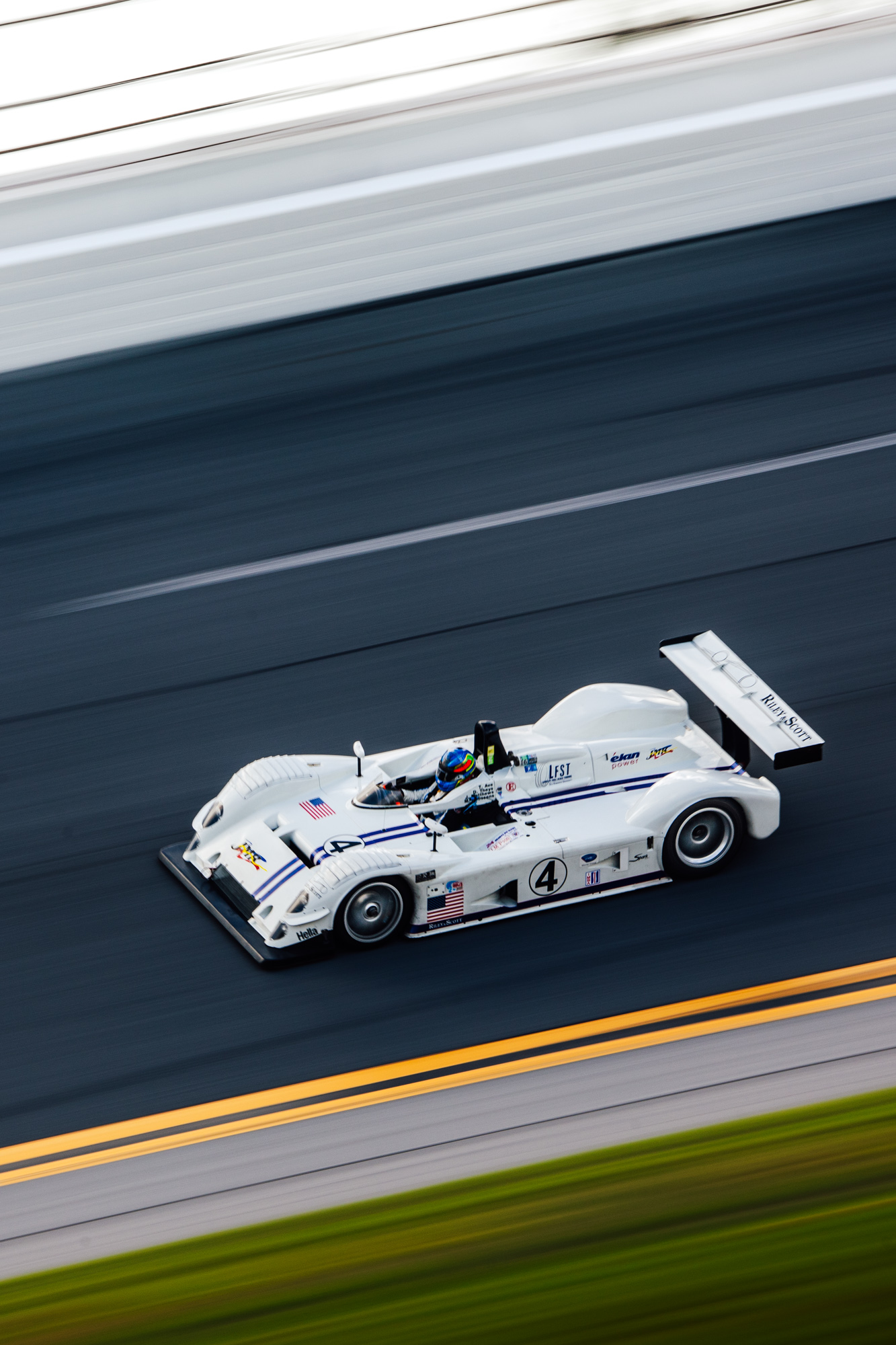
The car made its debut at the 2002 Rolex 24 at Daytona, driven by an all-star lineup including Matthews, Guy Smith, Scott Sharp, and Robby Gordon. Starting fourth on the grid, the Riley & Scott converted strong, consistent pace into a second-overall finish—an extraordinary result for a customer-run prototype in an increasingly factory-dominated field.
Sebring followed with another podium. Matthews and Smith were joined by Marc Goossens, and the car finished third overall, once again outperforming several works entries over twelve punishing hours.
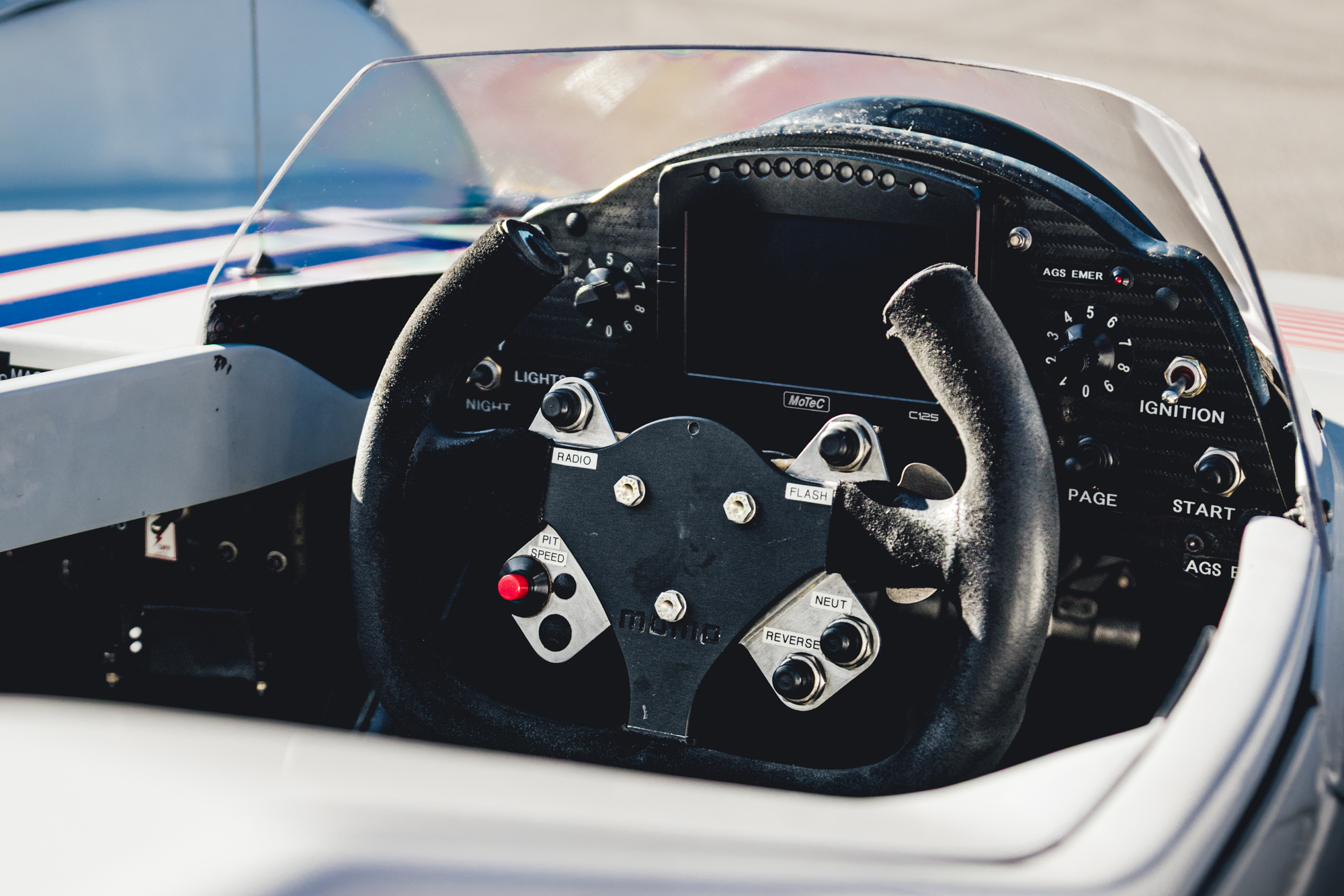
Le Mans would prove more challenging. With Smith committed to Bentley’s factory effort, Matthews shared driving duties with Goossens and Didier Theys. Running on Goodyear tires placed the car at a disadvantage from the outset, and after starting deep in the field, an engine failure brought the effort to an early end just past the halfway mark.
Following appearances at endurance racing’s most demanding events, Mk IIIC-004 was retired from active competition later that season. Rule changes in Grand-Am for 2003 effectively closed the door on the Mk III’s continued eligibility, underscoring how quickly the landscape had evolved.
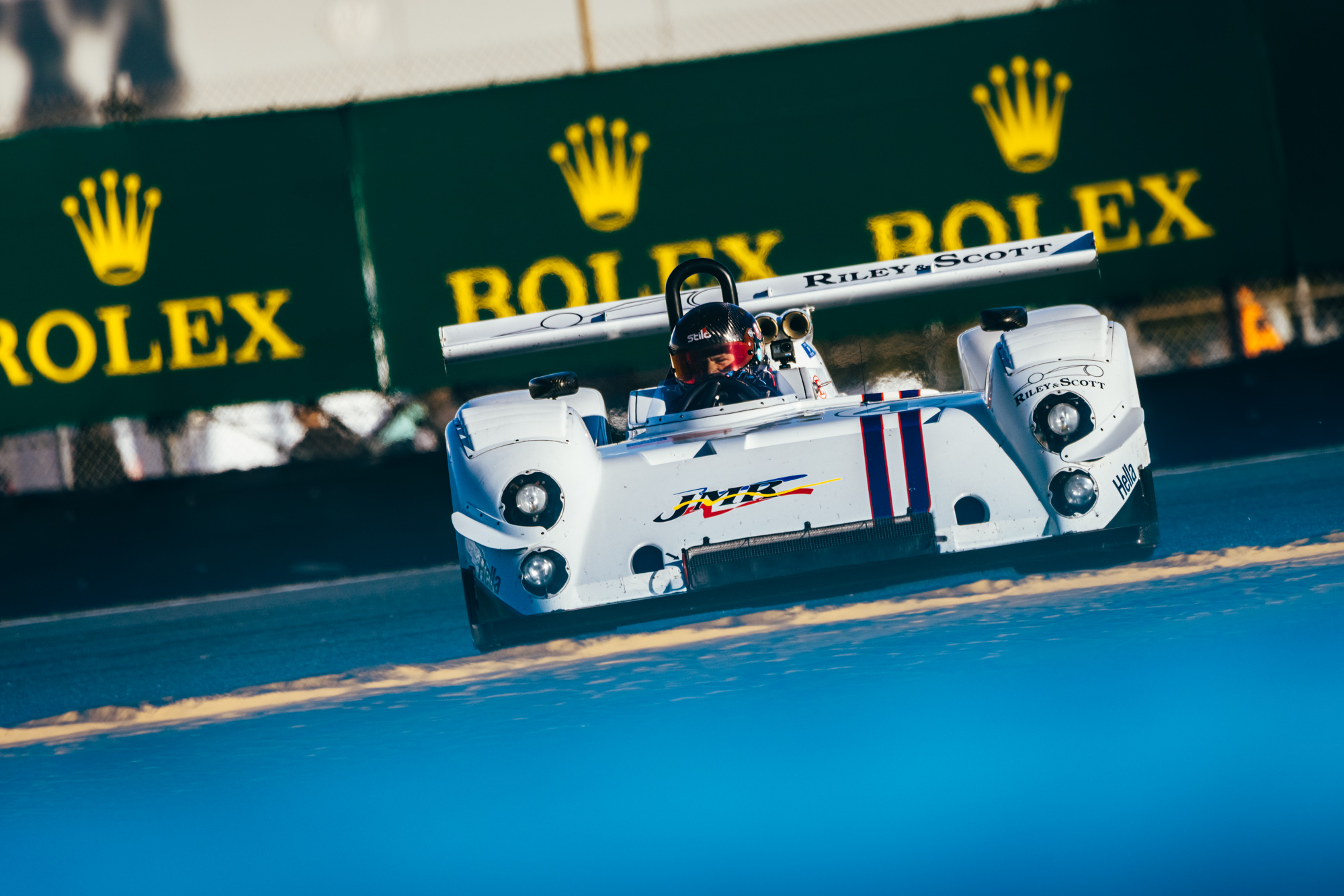
Today, the car remains under the care of Riley itself, preserved by one of the few organizations still capable of maintaining and operating these machines as they were intended. With original support personnel still involved, Mk IIIC-004 continues to appear in historic events such as the IMSA Classic, serving as both a living artifact and a reminder of a brief but remarkable era.